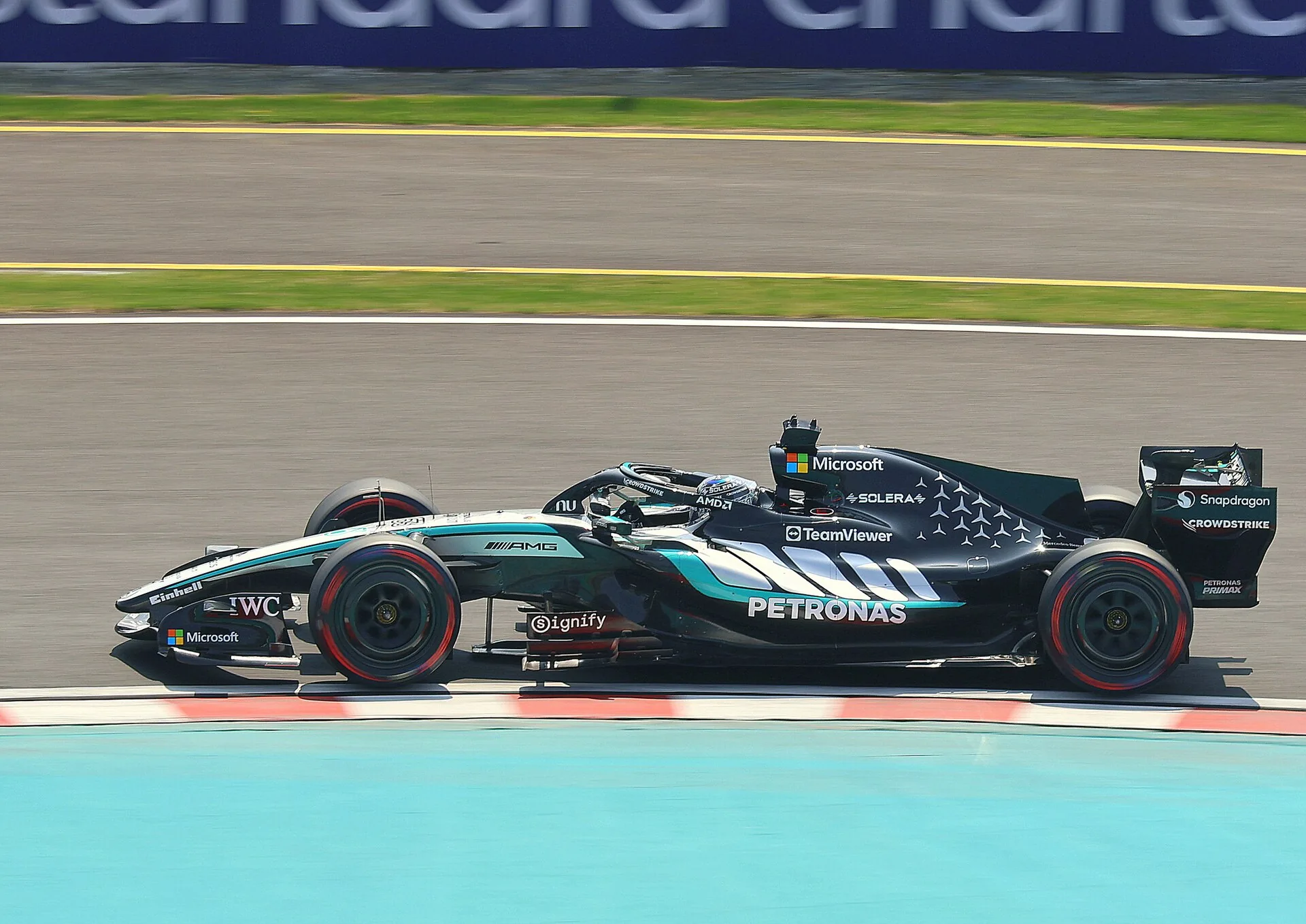
Three completed race weekends are enough to separate launch noise from genuine pace in Formula 1's new rules era. Australia gave Mercedes the opening statement, China turned Kimi Antonelli into a Grand Prix winner and youngest polesitter, and Japan confirmed that early 2026 pricing is being decided as much by energy management and adaptation as by outright one-lap speed.
That is the lens Bettista can use as a repeatable weekly template. Start with the opening price, compare qualifying headlines with Sunday control, then ask whether the next market move is earned by repeatable pace or inflated by recency, safety-car timing, or a single standout lap.
The repeatable weekend template
- Opening market: Where did the books start, and how far did the number move once practice pace became public?
- Qualifying delta: Did pole pace reflect true race strength, or did it flatter a car that could not carry that speed across a full stint?
- Sunday management: Tire life, electrical deployment, and safety-car timing matter more than the grid sheet once the race rhythm settles.
- Carryover risk: The next race is where the overreaction shows up. Bettors get paid by spotting which part of the headline is unlikely to repeat.
Australia set the opening bar
George Russell took pole and converted it into victory in Melbourne, with Antonelli finishing second to complete a Mercedes one-two. That mattered because it gave the market something sturdier than winter testing optimism: the first live evidence that Mercedes had adapted to the 2026 package more cleanly than most of the field.
The betting lesson was straightforward. The fastest team on Saturday is not always the best Sunday bet, but when a team opens a new regulation cycle with pole, race win, and a one-two finish, the market has to decide whether it is pricing a one-week spike or a structural advantage.
China turned potential into a price problem
China pushed the market into a different conversation. Antonelli took his maiden win, became Formula 1's youngest polesitter, and moved Mercedes from "looks quick" to "deserves to lead the board" territory. That kind of weekend always creates a pricing problem because the public naturally pays for milestones.
Bettors should treat milestone weekends carefully. Record-setting headlines draw attention faster than the books can fully separate the repeatable part of the result from the emotional premium that follows it.
Japan confirmed the early pattern
Japan mattered because it confirmed rather than surprised. Antonelli won again, moved to 72 points, and took the championship lead, while Mercedes stretched to 135 constructors points through the first three weekends. When the same team keeps validating the opening signal, the question changes from "is this real?" to "how much is the next price already charging for it?"
Japan also sharpened the technical side of the betting conversation. Oliver Bearman's heavy crash and the subsequent attention on 2026 electrical deployment made it clear that the rule set is still being refined in public, which means any team that looks settled early deserves more respect than one flashing speed in narrower windows.
What to carry into Miami
The first three completed weekends point to a simple rule for the next board: price adaptation before flash. Mercedes and Antonelli deserve market respect, but bettors should still be looking for places where the next number overweights a record headline, a qualifying session, or a safety-car assisted narrative instead of the deeper pattern underneath.
Miami becomes the first real stress test for that idea because the event arrives after the opening three-race sample and after the FIA's public conversation around tweaks to the 2026 power-unit behavior. This is exactly where a disciplined weekly template matters more than a fandom-based read.