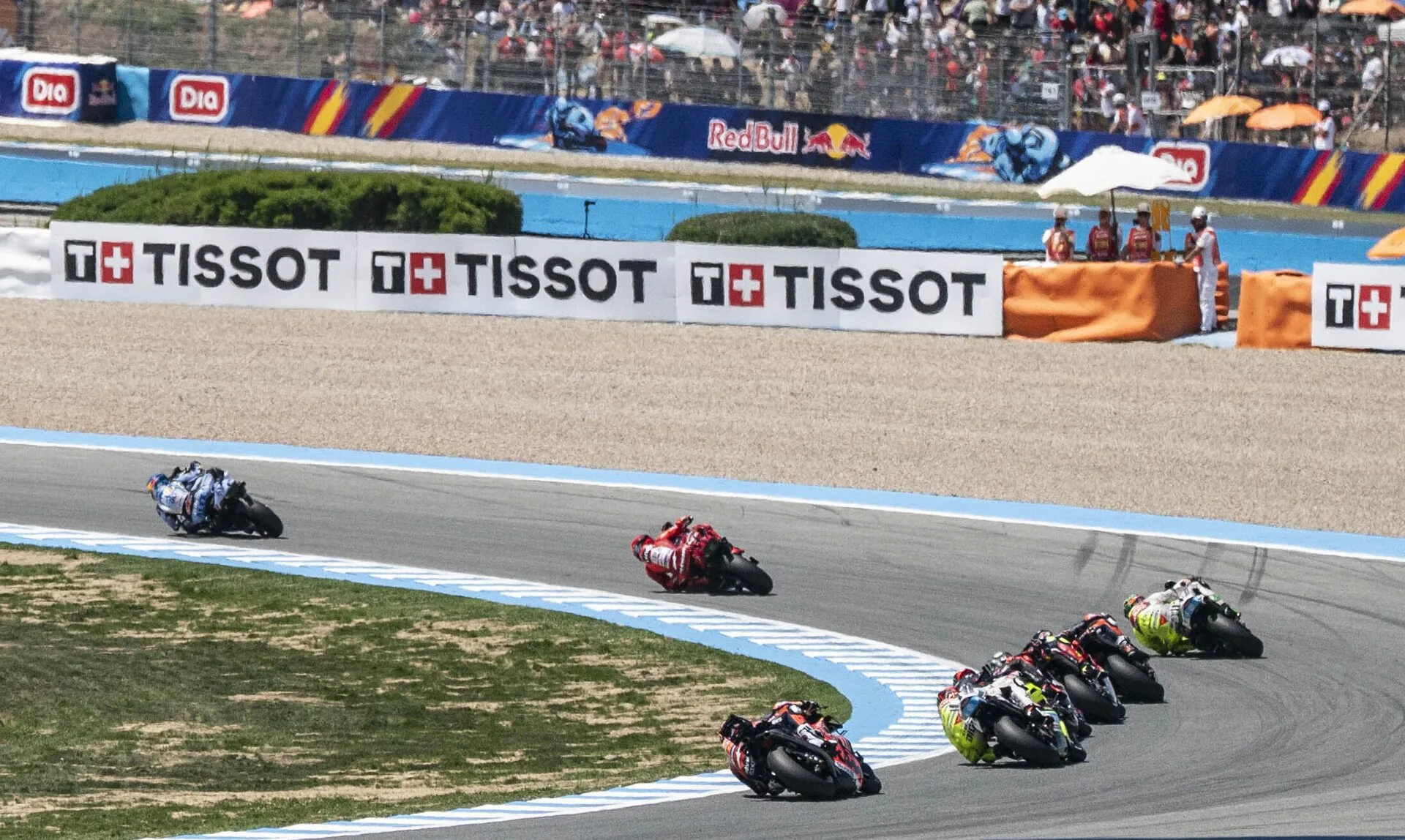
The cleanest MotoGP edge before Le Mans is usually the same one the market struggles to price in time: the gap between Saturday excitement and Sunday survivability. Sprint results and front-row pace can still distort the board, but the sharper betting question is whether a rider can preserve rear-tire grip, braking confidence, and exit drive once the race stops behaving like a short-format blast.
That is why the Le Mans verdict should be built less around a single headline session and more around signals that travel across the full weekend. If the market shortens aggressively after one visible burst of pace, Bettista's job is to ask whether that number still makes sense over race distance, under pressure, and through the tire-management phase that tends to separate contenders from highlights.
The Le Mans factor is attrition, not theatre
Le Mans invites overreaction because it can produce dramatic, camera-friendly moments: fast time attacks, volatile starts, abrupt weather swings, and obvious momentum changes. Those are useful inputs, but they are not the full race. The more durable read comes from the riders and teams that avoid turning every lap into a maximum-risk event and still look mechanically tidy when grip declines.
In betting terms, that means the first question is not who looked fastest in isolation. It is who looked sustainable. A short price built on spectacle alone is often more fragile than it appears, especially when a circuit begins asking for tire preservation and calmer race management rather than constant attack.
What sprint excitement can hide
Sprint performance matters, but it often compresses the evaluation window too far. A rider who can extract one-lap grip, defend aggressively for a shorter distance, or take more setup risk can look unbeatable in the session that draws the most attention. That same profile can become vulnerable if the main race turns into a longer conversation about overheating, degradation, and late-race mistakes.
That is where the market can drift into the wrong price. Public enthusiasm naturally follows the freshest memory. If the number moves because the board is paying for the loudest moment of the weekend, the sharper move is to check whether the underlying Sunday profile improved as well or whether bettors are simply buying the replay package.
Sunday pace and tire management are the real signal
The Sunday read should focus on the details that hold together when the track stops offering perfect grip. Does the rider still brake cleanly into the final third of the race? Does the rear tire remain usable on corner exit? Does the bike continue producing lap time without looking increasingly nervous under load? Those questions matter more than any isolated flash of pace.
If you can spot riders or teams that manage those trade-offs without visibly fading, you are much closer to the real Le Mans price. That does not guarantee a winning ticket. It does narrow the board toward the profiles most likely to survive the conditions Bettista actually cares about: long-run control, adaptability, and the ability to protect the race when the weekend gets messy.
The market verdict for this draft stage
At draft stage, the correct verdict is not to force a final pick too early. It is to define the conditions that would justify one. Bettista should be ready to upgrade riders who combine sustainable long-run pace with stable tire usage, and downgrade prices that shorten mainly because of sprint noise or one headline qualifying run.
That makes this a process-led preview rather than a false certainty piece. The value at Le Mans is more likely to appear in identifying who can still look composed late in the race than in paying top price for whoever dominated the most photogenic session. If the board forgets that distinction, that is where the better number usually lives.
Verification checklist before final deployment
- Weather and track temperature: confirm whether forecast swings increase the tire-management premium.
- Long-run evidence: check which riders maintain pace over race distance rather than just over one burst.
- Market move quality: separate justified repricing from public overreaction to sprint or qualifying headlines.
- Image licensing: replace the provisional lead image with a Le Mans-specific licensed asset.